Insights
12.10.26
4 min read
5 Placemaking Lessons Video Game Worlds Can Teach Commercial Property Developers

 Jason Wan
At DS.Emotion, we’ve spent over 30 years helping developers, investors, and local councils create commercially and socially successful places. One core truth guides everything we do: people make places, not just buildings.
Top-down master plans set the foundation, but true place value is unlocked when local residents, businesses, and stakeholders take genuine ownership of their environment.
To explore what pure, community-led placemakingThe process of designing, managing and marketing public spaces to create successful, attractive and functional communities that reflect local culture and enhance well-being. looks like when freed from traditional real estate constraints, we looked at five iconic video game environments. These digital worlds showcase bottom-up design in action offering vital takeaways for real world property strategy, activation, and meanwhile use.

1. Stray — The Slums & Walled City 99
The Lesson: Embrace Adaptive Reuse and Organic Social Hubs
Inspired by the historic Kowloon Walled City, this environment relies entirely on bottom up adaptability. Without a central authority, its inhabitants use scrap materials to craft makeshift sky bridges, rooftop gardens, and cozy communal nooks.
The Real World Strategy: Don’t wait for phase three of a master plan to introduce social life. Utilise meanwhile use, pop-up structures, and modular infrastructure to create immediate, organic gathering spots.
The Commercial & Social Benefit: Activating unused spaces early builds immediate footfall, tests retail concepts with zero long term risk, and fosters early community pride increasing long term asset value before permanent structures are even finished.

2. Minecraft — Player-Built Server Hubs
The Lesson: Co-Create Master Plans with Real Stakeholders
In multiplayer hubs, players negotiate land use, construct transit links, and establish public plazas based on where people naturally walk and gather forming organic desire paths.
The Real-World Strategy: Shift from traditional, checkbox “consultation” to true co-creation. Use deep stakeholder engagement, interactive workshops, and local vox pops to map how people actually want to use a space.
The Commercial & Social Benefit: Designing around genuine user behaviour reduces expensive late stage design alterations, secures smoother planning approvals, and creates a development that feels tailored to its target demographic from day one.

3. Fallout 4 — Diamond City
The Lesson: Anchor New Developments in Local Heritage
Diamond City is built entirely within the grandstands of a historic baseball stadium, turning a pre-existing landmark into a safe, vibrant, mixed-use community hub.
The RealWorld Strategy: Authentic placemakingThe process of designing, managing and marketing public spaces to create successful, attractive and functional communities that reflect local culture and enhance well-being. celebrates local history rather than erasing it. Retain structural heritage, re-use existing materials, and weave local narrative into your brand identity.
The Commercial & Social Benefit: Grounding a new scheme in local character creates instant emotional resonance. It differentiates your brand in a crowded market, attracting inward investment and premium tenants who value distinct, authentic places over generic glass boxes.

4. Night in the Woods — Possum Springs
The Lesson: Invest in Emotional Infrastructure
Set in a declining industrial town, the environment highlights how residents turn abandoned spaces into informal hubs for connection when formal civic support falls away.
The Real World Strategy: Physical structures are only half the equation, successful places require strong social tissue. Build brand identities and activation strategies focused on shared purpose, culture, and local pride.
The Commercial & Social Benefit: Places with strong social infrastructure suffer lower tenant turnover, enjoy higher residential retention, and build resilient local economies that weather wider market shifts.
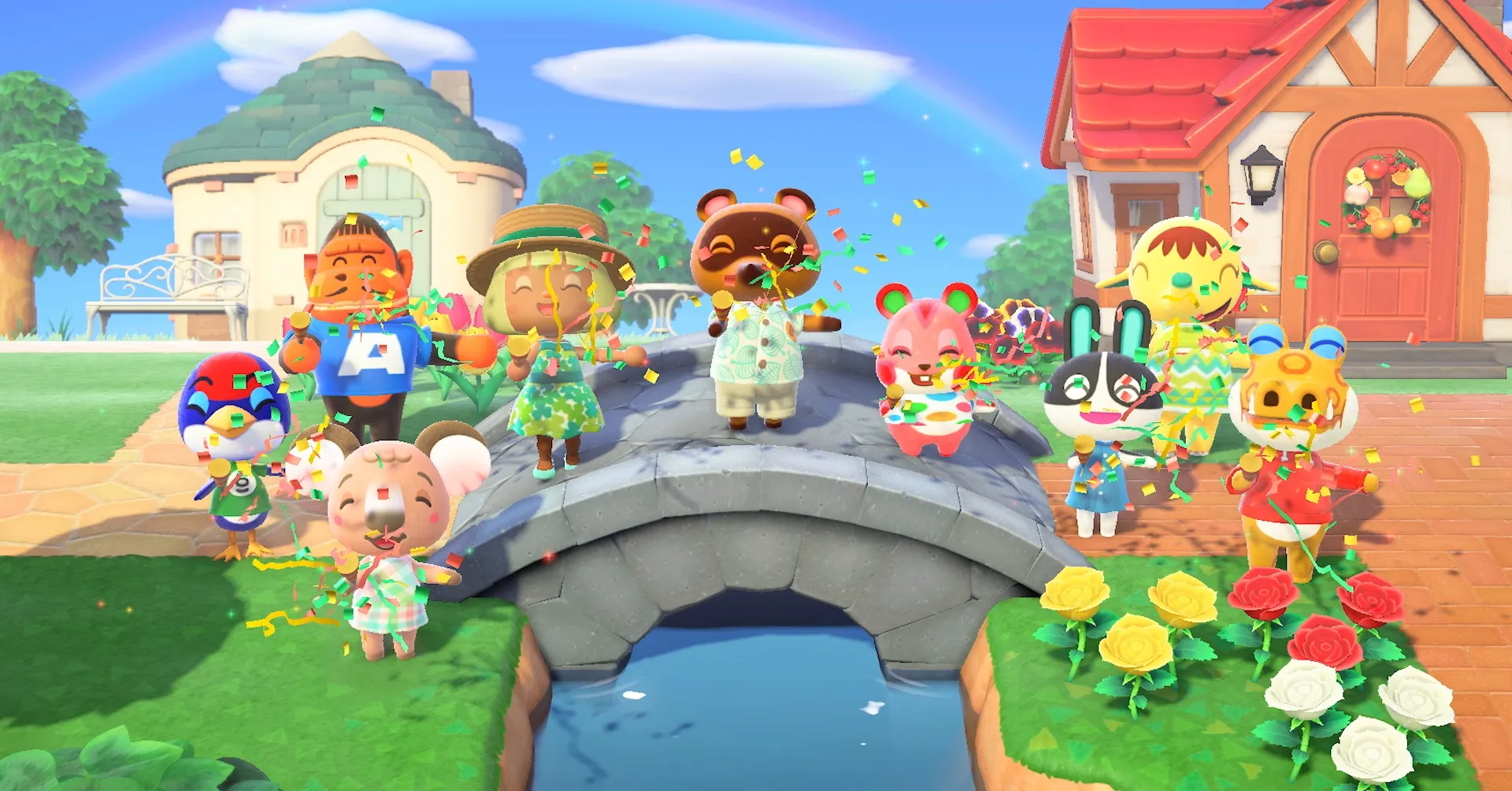
5. Animal Crossing: New Horizons — Player-Designed Island Towns
The Lesson: Empower Residents to Activate Their Own Spaces
By giving players complete control over pathing, outdoor spaces, and plazas, the game transforms everyday users into active curators who share their designs globally.
The Real-World Strategy: Give communities the tools, space, and freedom to host their own pop-ups, markets, and cultural events rather than over programming every square foot.
The Commercial & Social Benefit: User led activation keeps destinations dynamic and fresh without requiring constant developer expenditure. Active, self-sustaining places generate continuous organic marketing through social sharing, driving sustained footfall and tenant demand.
Our 4-Step Process for Human-Centric PlacemakingThe process of designing, managing and marketing public spaces to create successful, attractive and functional communities that reflect local culture and enhance well-being.
To deliver places that are both socially vibrant and commercially successful, we apply a clear, proven framework:
Discovery: We listen first. Through deep dive stakeholder engagement and local research, we discover what genuinely matters to the community.
Strategy: We craft a human centric placemakingThe process of designing, managing and marketing public spaces to create successful, attractive and functional communities that reflect local culture and enhance well-being. strategy that aligns community needs with commercial objectives.
Creative: We build authentic brand identities, narratives, and place concepts that evoke pride and inspire action.
Rollout & Activation: We launch integrated marketing campaigns and high-impact meanwhile activations that bring the place to life long before construction ends.
The Bottom Line: Successful placemakingThe process of designing, managing and marketing public spaces to create successful, attractive and functional communities that reflect local culture and enhance well-being. isn’t about imposing a vision onto a site. It’s about unlocking the human potential already there to build places where people want to live, work, and invest for the long term.