Something fundamental has shifted in the way businesses choose workspace. Specs and amenities still matter, but they’re no longer the deciding factor. In 2025, tenants are looking for places that genuinely support culture, wellbeing and the day-to-day experience of the people using them.
Across the industry, from competitor blogs to LinkedIn insights, the same themes are resurfacing again and again. The expectations have changed, and the workplace has to change with them.
A workplace that moves with you
Flexibility has evolved far beyond the buzzword. Businesses want environments that respond to how teams actually work now: unpredictable schedules, hybrid rhythms, shifting project demands. A workspace that only performs one function already feels outdated.
They’re looking for:
- Spaces that can flex without wholesale refits
- Communal areas that work for quiet focus and collaboration
- Lease structures that don’t force long-term forecasting in a short-term world
It’s the idea DS.E has championed across projects like Blackfriars House in Manchester, where adaptable social spaces and mixed-use lounges support different modes of working throughout the day. Or Brewery Wharf in Leeds, where the riverside setting combined with agile workspace options makes it easy for businesses to grow, contract and experiment without disruption.
When a building can shift as quickly as its tenants do, it becomes more than square footage, it becomes part of their operational toolkit.
A Place That Feels Looked After
The conversation around tenant experience has moved on. It’s no longer about over-programmed events or pushing every micro-interaction through an app. The places gaining real traction are the ones that feel cared for: lightly curated, human and attuned to the flow of daily life.
Tenants are responding to:
- Thoughtful service that feels personal, not performative
- Small interventions that remove friction
- Shared spaces that feel welcoming rather than corporate
This thinking underpinned DS.E’s repositioning of Towers in Didsbury, transforming a former business park into a place where people genuinely want to spend time. By engaging directly with occupiers and creating “Towers Life”, the environment shifted from 9-to-5 utility to something social, connected and distinctly not a typical business park.
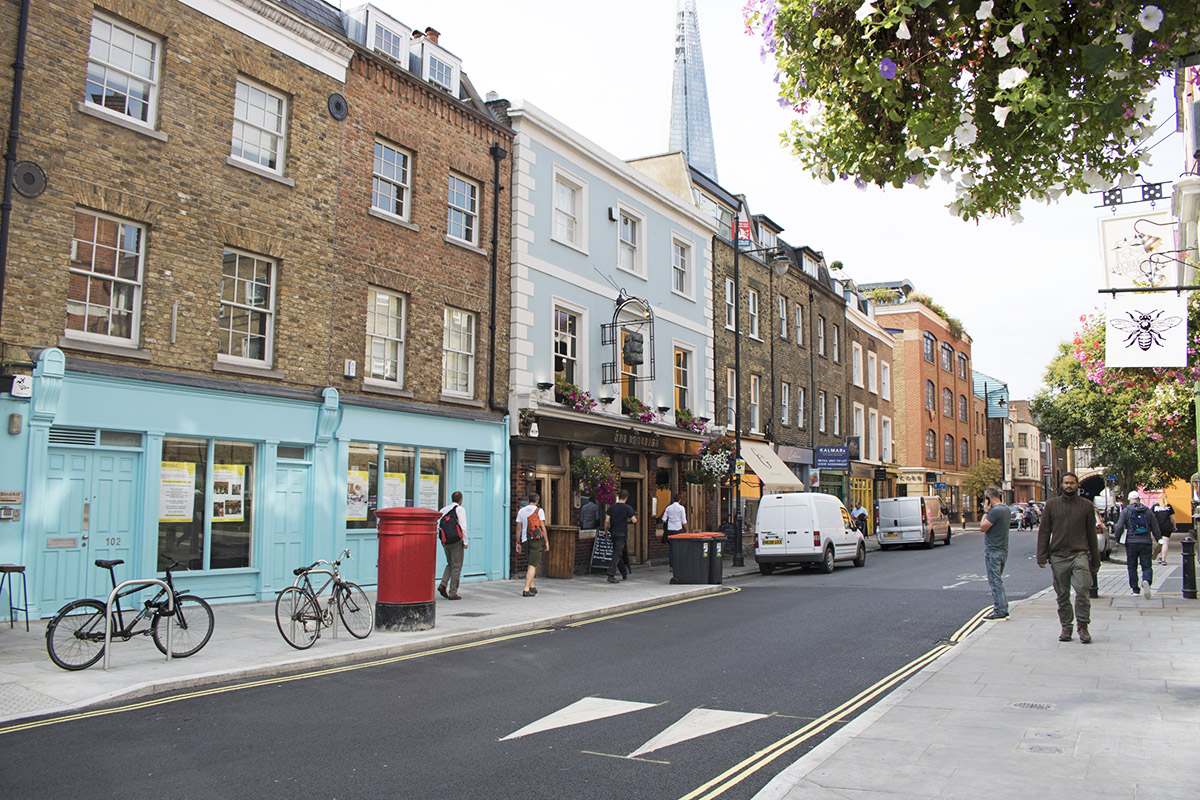
The same applies to our Bermondsey Street London studio, where the surrounding independent cafés, creative energy and street-level authenticity do half the work in shaping how people feel about being there. A workplace becomes instantly more compelling when it sits within a neighbourhood with its own personality.
Where This Leaves Property Marketing
The most effective stories in 2025 aren’t about specs, they’re about the experience a place enables. Marketing now has to articulate how a building feels, the rhythm of a typical day, and the value the neighbourhood adds to working life.
The workplaces cutting through aren’t just highly specced. They are:
- Human
- Adaptable
- Connected
This is where brands can lead. The more clearly we communicate the lived experience of a place, not just the features, the more meaningfully we speak to what tenants actually care about. The more we show how environments are shaped around people, the stronger the message becomes:
The future of workspace is not just built, it’s felt.