Insights
23.7.26
5 min read
The spaces in-between: How third spaces can shape successful places.
 Lucy Bakker
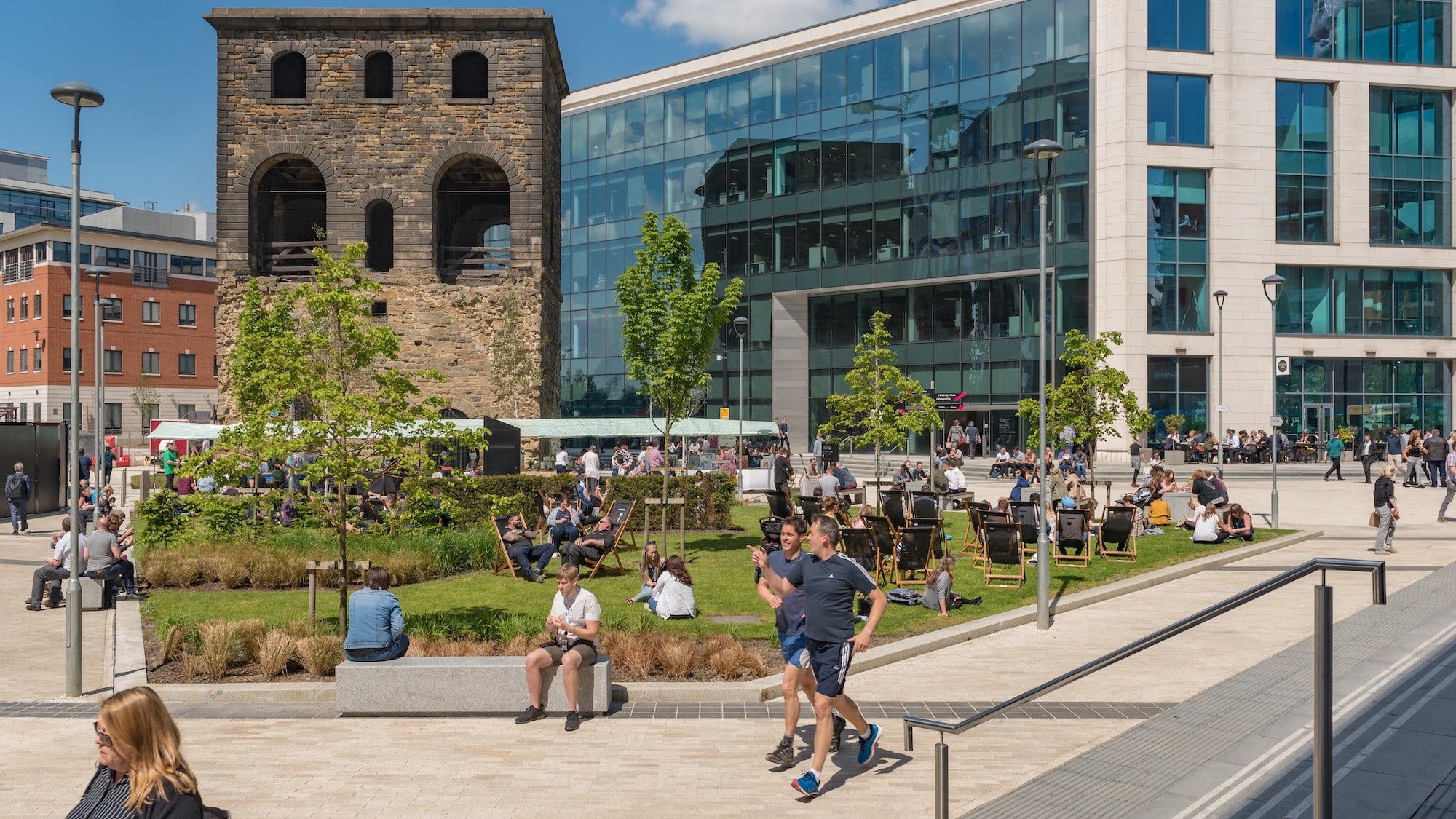
If you ask someone what makes their neighbourhood special, they won’t list the square footage of the local buildings. They will tell you about the independent shop where the barista knows their order, the park where they walk their dog, or the square where the weekend markets come alive.
These familiar, comforting routines happen in what our industry calls “Third Spaces”, the neutral grounds that exist between our homes and our workplaces. Far from being optional design flourishes on a master plan, these environments are essential for our well-being. To build a successful, resilient place, we must prioritise these spaces of connection, giving diverse audiences a meaningful reason to stay, interact and belong.
The Successful Place Cycle
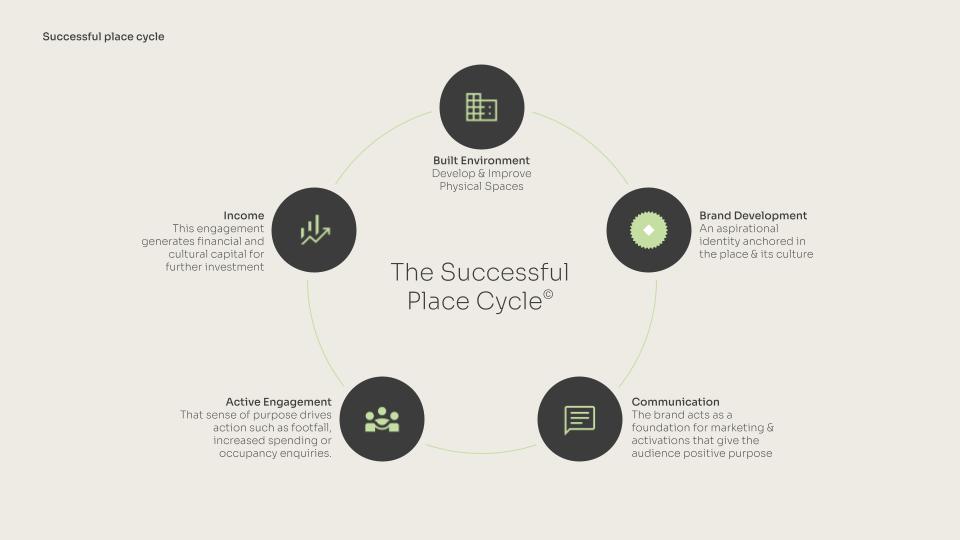
When we look at projects through our framework at DSE, we talk about The Successful Place Cycle®. This is a continuous process where improving physical spaces and telling the authentic story of a place drives active engagement. This engagement, in turn, generates the commercial value and social capital needed for further local investment.
When you intentionally build third spaces into a development, this cycle starts moving naturally, directly delivering on three core ESG (Environmental, Social and Governance) goals:
1.Social: Inclusive Spaces
A good third space acts as an equaliser. Places like a local market or an open park are neutral grounds where people from different walks of life cross paths. By creating accessible spaces, we provide the infrastructure for casual, everyday interactions.
This familiarity helps bridge social divides, integrates new residents and builds a safer, more cohesive community founded on inclusion
2. Environmental: Cultivating Civic Pride
When people feel a genuine sense of belonging to a neighbourhood, their relationship with the physical environment changes. A public park or a canal path stops feeling like council property and starts feeling like shared space that is theirs to care for..
This emotional investment creates a sense of pride and ownership. People naturally take better care of their surroundings, encourage environmental responsibility and actively look out for one another.
3. Economic: Building Local Resilience
A strong sense of place has a direct, practical impact on the local economy. When people feel connected to their neighborhood, they want to spend their time and money there. Well-curated third spaces keep footfall local, supporting independent businesses and local traders.
This creates a resilient ecosystem where economic benefits stay within the community, paving the way for further inward investment and long-term viability
Turning spaces into places: Storytelling and activation
You can build a beautiful public square, but if it sits empty, it isn’t a third space yet, it’s just a piece of land. This is where our framework at DSE bridges the gap between infrastructure and human experience.
Before people will adopt a new space, they need an aspirational identity anchored in the local culture. Good branding of a place should uncover the history, character and unique story of an area so it feels believable and welcoming. Once that foundation is set, we use place marketing and thoughtful activations, like event programming or pop-up markets, to give people a positive purpose to visit, stay and connect.
Proven in Action: Wellington Place, Leeds
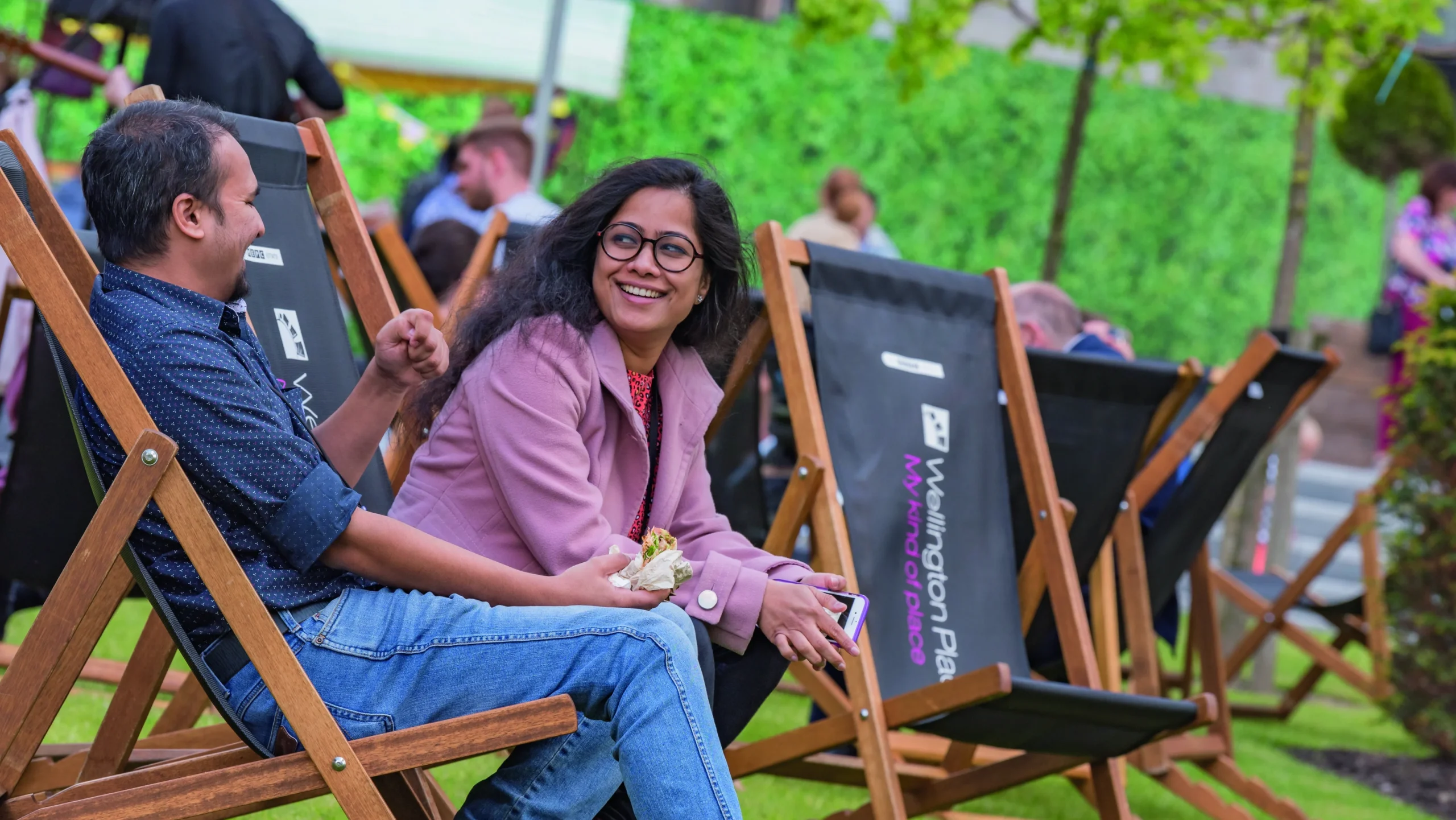
You don’t have to look far to see this working in practice. Take Wellington Place right here in Leeds.
On paper, it’s a commercial office district, the kind of place that could easily feel sterile and empty the minute the clock strikes 5 PM. Instead, it functions as a vibrant neighbourhood.
They achieved this by treating the spaces between the buildings with as much care as the offices themselves. The public realm is filled with green spaces and outdoor seating that invites people to pause rather than just pass through.
They also leaned into storytelling by restoring the historic Grade II-listed wagon lifting tower and turning it into a free mini-museum. This anchors the modern development with a sense of local history, giving the place a narrative that residents, visitors and workers can connect with.
Crucially, they didn’t just build it and leave it. The space is constantly activated with regular pop-up markets showcasing local independent traders, street food stalls and organised clubs like lunchtime running groups. They even backed it up with a dedicated community app, connecting office workers and residents to local rewards and neighbourhood events.
Through clever storytelling and consistent activation, Wellington Place has become more than a place where people go to work. It’s a thriving third space for the wider community.
Designing successful, sustainable places for all.
Our mission at DSE is to co-create successful, sustainable places for all. If we want to build thriving communities, we have to look beyond just places to sleep and places to work. By prioritising these third spaces, mapping them to a clear brand promise and breathing life into them through ongoing activation. To find out more about how we can bring your place alive please get in touch.